

Many drivers struggle with bright glare, hot cabins, and fatigue caused by direct sunlight. Without reflective film, glass lets in harsh UV rays that fade surfaces and increase heat buildup. Long drives become tiring, and dashboards age faster. Reflective window film helps manage these problems by lowering heat, cutting glare, and reducing daily strain. It keeps the interior more stable without blocking natural visibility.
Controlled heat helps the adhesive layers settle, reducing tension, preventing lift points, and building a smooth reflective finish that holds strong.
Reflective window film improves cabin comfort by reducing solar heat and stabilizing temperatures during long drives. Anti reflective layering helps manage glare from bright roads, chrome vehicles, and sunlight bouncing off surfaces. The film’s UV blocking capabilities protect interior materials and minimize eye strain. These features combine to create a calmer environment, better visibility, and smoother daily driving habits.
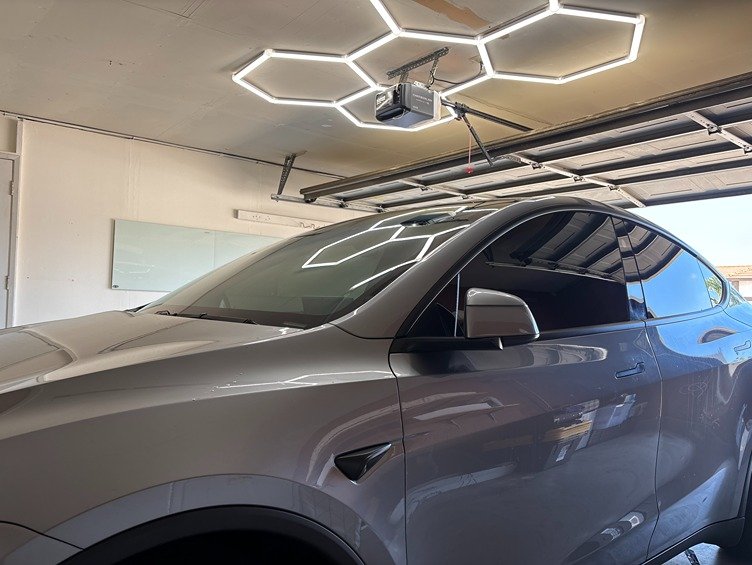
Lower glare levels help drivers stay focused longer without squinting or struggling to see clearly in changing light.
Reflective layers help stabilize heat inside the vehicle, reducing temperature swings and improving comfort during stop and go traffic.
Blocks harmful UV exposure that affects skin and accelerates interior fading, keeping surfaces protected year round.
Creates a more controlled cabin environment by limiting outside visibility without affecting natural light inside the vehicle.
The film helps resist fingerprints and small marks, keeping windows cleaner and easier to maintain each day.
Improves clarity by reducing bright sun reflections, supporting better focus, stability, and safer daily driving habits.
Yes. Many reflective films increase heat rejection and UV protection while allowing natural light inside, keeping visibility clear and comfortable.